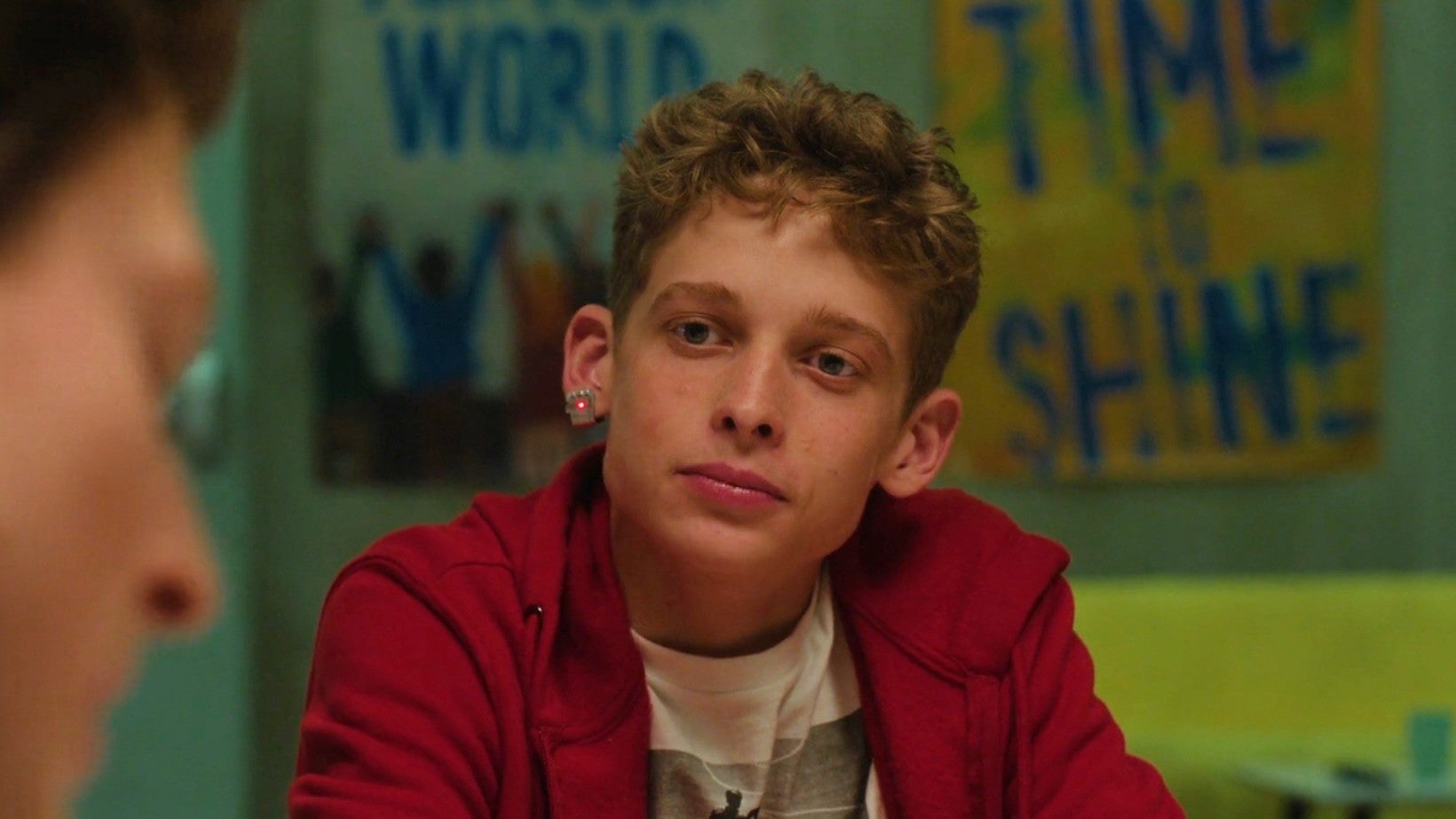
As a Constant Reader of Stephen King’s works, I also find myself a Constant Viewer of the many new television adaptations of his stories. And boy have I been treated of late, with the incredible Mr. Mercedes, the pleasingly chilling Castle Rock, and HBO’s too-quickly-abandoned The Outsider. Now MGM+ has delivered the first two episodes of the latest adaptation, The Institute, and my feelings are much more subdued.
Of course, Stephen King TV series overall have a pretty poor hit rate. It’s hard to imagine a more dreadful mutilation of a wonderful story than all three laugh-out-loud terrible seasons of Under The Dome. Or the stupefying awfulness of 2017’s small-screen version of The Mist, a show so bad you were always on the fog cloud’s side. And that’s before we even start thinking about all those 90s TV movies and miniseries—The Stand, anyone? But there’s always potential, as proven by the 2010-2015 run of Syfy’s Haven—a delightful and breezy mystery procedural barely based on novella The Colorado Kid—and 2021’s Chapelwaite, in which Adrien Brody brooded his way through a melancholic horror based on Jerusalem’s Lot. And I’ll give any of them a fair chance, given all will be based on the deeply developed characters of King’s literary works.
Well, almost all. Because of all of King’s recent books, The Institute—the story of a hidden facility that kidnaps psychic kids and puts them through awful procedures—felt the most insubstantial. The author, now in his late 70s, is still capable of writing fresh, compelling, heart-capturing stories—as he keeps proving over and over with his recent muse, recurring character Holly Gibney. But The Institute was so slight, feeling like a compilation of Kingly tropes: the disillusioned cop, the magic child, the evil matriach. Part Firestarter, part The Dead Zone, it read to me like the pilot episode of a TV series. Whereas I normally come away from a Stephen King novel feeling a deep attachment to its cast, I finished that book without any great fondness for main characters Luke Ellis and Tim Jamieson.
Which brings us to the new TV series. From MGM+ (previously Epix), the show has an eight-episode run, of which the first two are currently available to stream. MGM+ may not have even been on your radar as a subscription service worthy of your monthly tithe, unless you’ve already discovered one of the best things on TV, From. But one show does not a streaming service make, and this year’s atrocious Earth Abides didn’t help. Clearly The Institute is partly an attempt to build on From’s foundations, given directorial duty has been given to Jack Bender, the Lost alumnus who has given that other horror series such a distinct and compelling aesthetic. Bender is one of the best directors in television, and his distinctive style is immediately present here.
And thank god, given it followed the most extraordinarily terrible opening credits. I realize this is a weird thing to get stuck on, but in this era of prestige TV where two-minute-long opening sequences contain some of the most extraordinary art and animation, The Institute’s look like they were made in the ‘90s, rendered even worse by the accompaniment of a plaintiff rendition of Tears For Fears’ “Shout,” whiningly sung by The Lumineers—clearly a desperate attempt to match From’s opening number, The Pixies’ incredible cover of “Que Sera Sera.” (The only acceptable whining version of “Shout” was on Psych.) The dissonance between The Institute’s amateurish opening sequence and the familiarly glossy Jack Bender zooming crane shot of a perfectly lit school gymnasium that immediately follows was jarring.
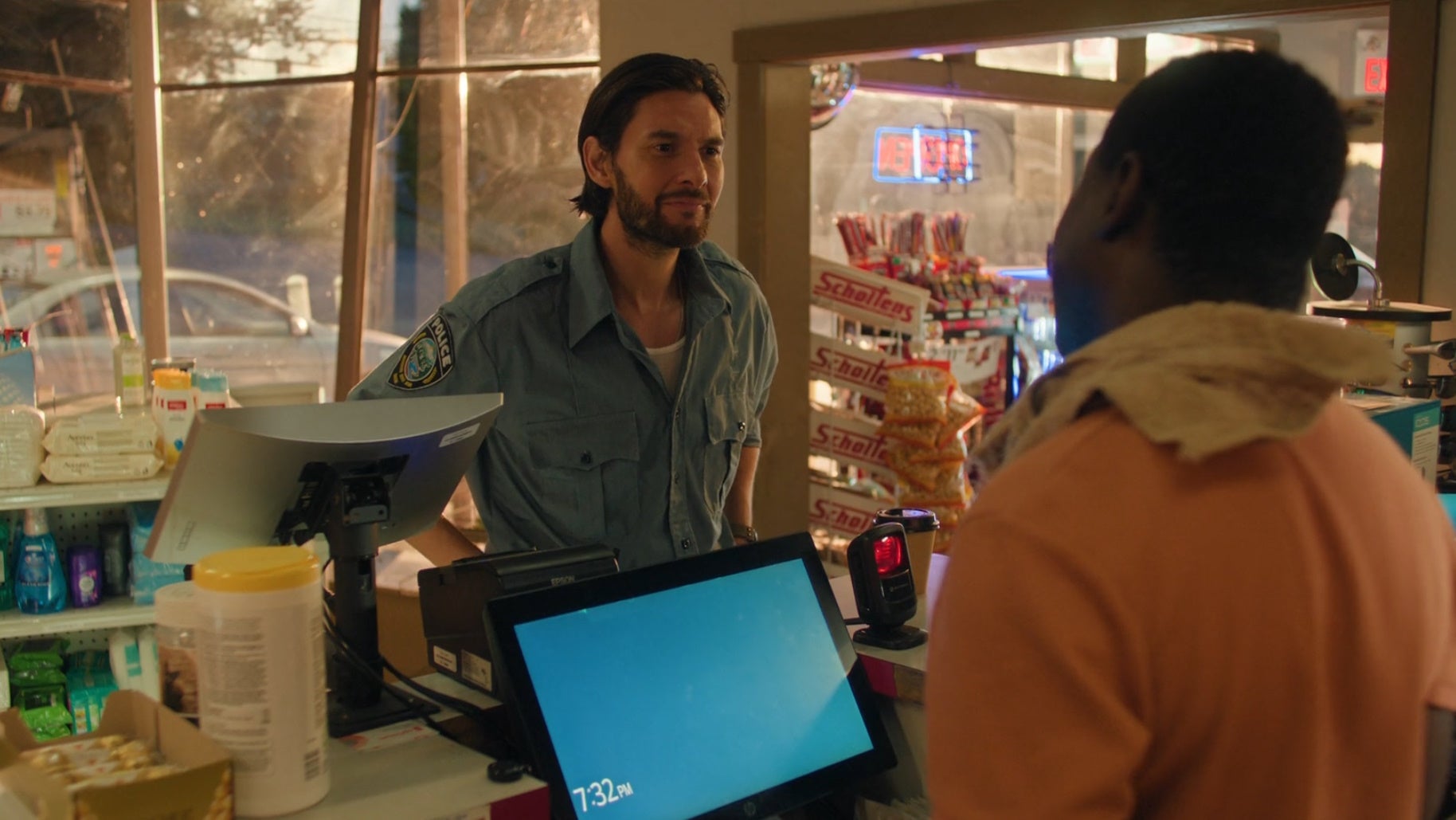
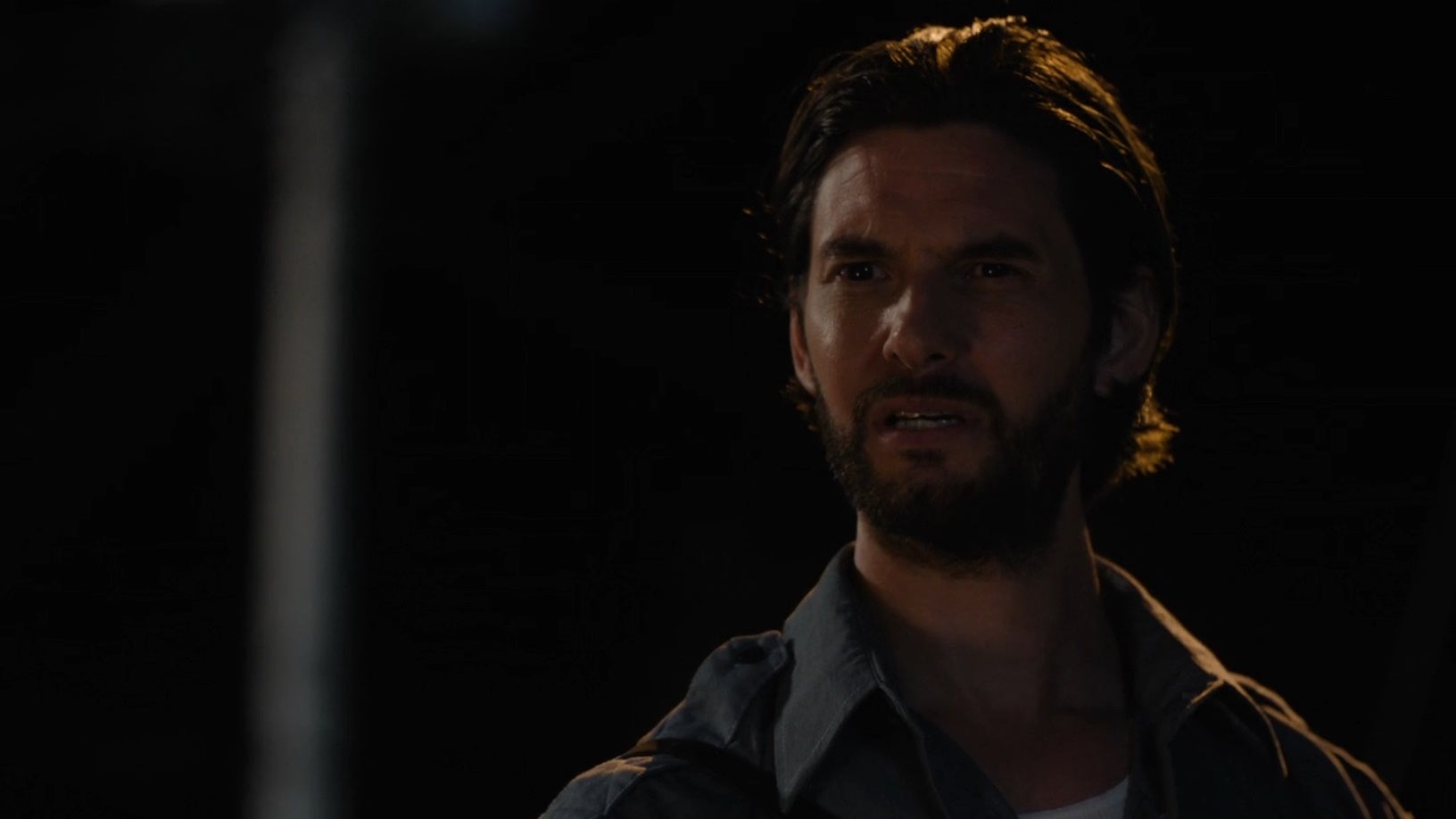
The program then follows the format of the novel, in which alternating chapters tell two completely disconnected stories for a surprisingly long time. We have the kidnapping of Luke Ellis (Joe Freeman), a teenage boy with burgeoning telekinetic powers, taken to the titular Institute where he meets the handful of other child captives and the mercenary adult staff. Then there’s Tim Jamieson (Ben Barnes), a middle-aged former cop who’s “retired” after he shot and killed an armed teenager while off-duty and not sober. Hitching a ride after giving up his seat on a plane to New York City, he finds himself in a small town, DuPray, South Carolina, where he takes on the anachronistic (and entirely fictional) role of a “night knocker,” a police-adjacent patrolman, walking the town at night to check for crime. It’s only by the second episode that we even learn they might be in the same vicinity.
If anything, The Institute’s loyalty to the source material is its biggest weakness. The novel always felt strange given the sparsity of its population. The Institute itself has just four kids in its huge rooms and lengthy corridors, outnumbered by the still tiny staff. The kids who are already there when Luke arrives talk like veterans of the place, having gotten so used to their incarceration, separation from their parents, and the experiments being performed on them, that you imagine their stay must have been years—except it quickly becomes clear it’s only been a matter of a couple of weeks.
Meanwhile, Jamieson’s calm and unhurried arrival in DuPray is constantly undermined by these deeply awkward exposition dumps, just in time for something to happen to the relevant character. This grows to the point of farce in the second episode, in which a gas station employee we’ve never met before suddenly delivers an entirely unrequested history of his entire life (he’s a very well-educated immigrant who escaped from being tortured overseas, now working minimum wage in the U.S. but delighted by his freedom…), literally seconds before a gunman runs in and shoots him. It’s so hackneyed and rushed that it feels like a spoof, one of those “Don’t worry darling, I’ll be back from the war before our baby’s born and just in time to deliver the vital medicine to our daughter!” scenes.
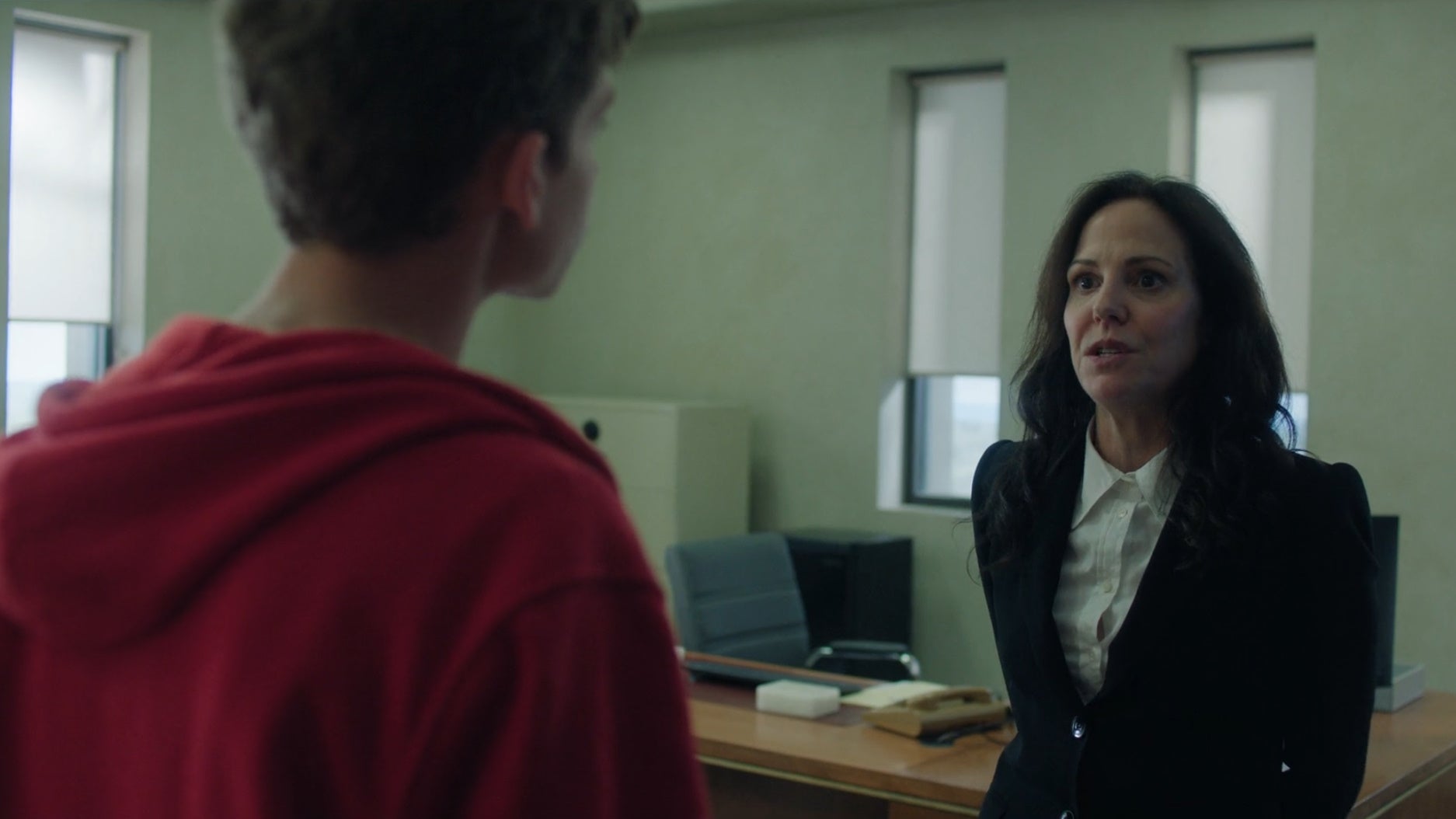
This is all such a shame, because the cast and the direction is working so very hard. Joe Freeman delivers a subtly complex performance as a genius child who’s clearly on the spectrum, and Ben Barnes is…well, he’s outrageously rugged and charming, his eye twinkling alone deserving of all the Emmys. Julian Richings is always a reliably sinister actor, with his gaunt, skeletal face doing half the work of establishing his malevolent character, and Jason Diaz immediately captures the terrifying mood-flipping nature of Institute tough guy Tony. Best of all is Mary-Louise Parker (Weeds) as Ms. Sigsby, the apparent boss of the facility (although the power structure is immediately made unclear), her character constantly walking the line of sanity. (Fun fact: Mary-Louise Parker and Ally Sheedy are two entirely different people.)
It’s interesting to note that Jack Bender has clearly brought in a few favorites, too. Robert Joy plays the Institute’s main scientist, fresh from his role as Henry in From (although I cannot get over how much, with his pencil moustache, he looks like a Kevin McDonald character from Kids in the Hall), while Lost’s Frank Lapidus, Jeff Fahey, appears in a very mysterious role.
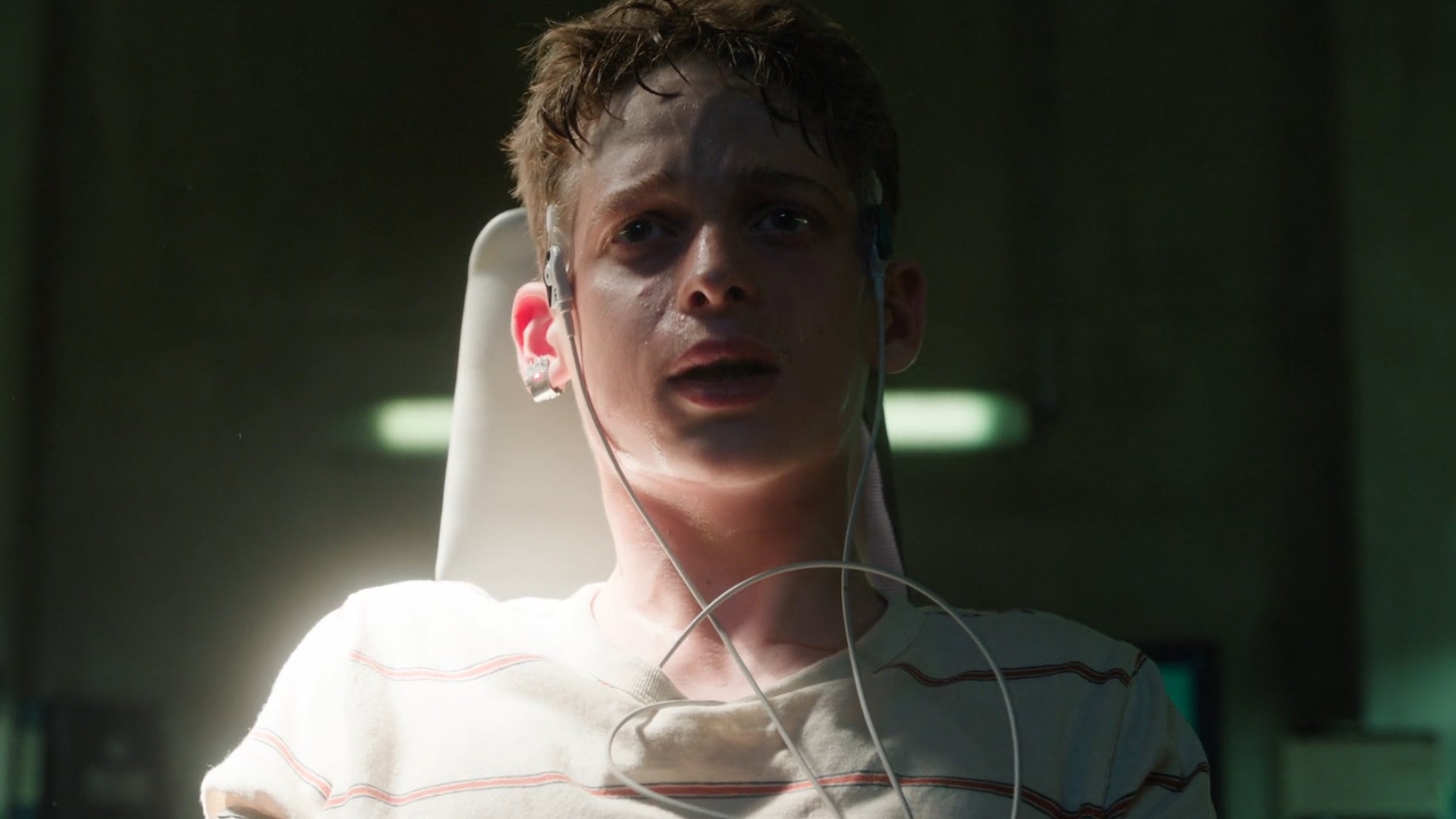
The problem is, there’s so little that actually matters. Not in that, “Oh god this show’s so slow” way that is a little too prevalent in streaming right now—things move along at a fair clip, Bender never one for long, brooding quietness—but rather that what everyone says and does feels so rote, so formulaic, and rarely progresses the story. You’ll never guess, but the kids with psychic powers want to escape the facility! So they’re going to discuss that. And that handsome ex-cop? Well, he just wants to be left to be lovely and perfect all the time, but there are all these people and incidents. A bunch of stuff happens, but none of it propels the plot. And, having read the novel, I’m all too aware how little propulsion is ever going to be on offer—not least because the book ends on what feels like should be the opening of a much more interesting tale.
I hope that what’s coming across is my frustration that The Institute isn’t better, rather than that it’s bad. A lot of extremely competent people have made this show, and that’s apparent throughout—but given the thinness of the book, it feels like this could have been an opportunity to develop those ideas, to let the novel actually be the pilot, and see this series progress things much further. More characters, more momentum, more everything
On the other hand, weirdly, the show has entirely abandoned the core metaphor the book was allegedly about. It never really comes across from the page, but King said at the time (2019) that he was responding to America’s anti-immigration policies that saw kids locked in cages, separated from their families, treated inhumanely. If the novel ever resonated with this, it was in exploring how the adults in the Institute could ever be able to behave as they do, to treat children so callously, but certainly in the first two episodes of the adaptation this isn’t a factor at all. We see moments of Ms. Sigsby’s bizarre private life, and that will get deeper as things progress, but the rest of the adult cast just feel like cartoon villains. The kids are far more interesting, but horribly under-developed, reduced to “The One Who…” roles.
I’m going to keep watching. But don’t take that as a reflection of the show’s quality; I watched every single episode of Under the Dome, after all. The Institute is a vastly better show than that, but it’s so far entirely without menace. Like the book it’s based on, it’s slight, undercooked, and fails to convey a real sense of threat. Also, given it’s attempts to ride From’s coattails, it’s also woefully lacking in mystery. Sure, they keep referencing “keyholes,” but they might as well be saying “Care Bears” for all the intrigue it’s establishing.
I really hope things can speed up in the next six episodes, that it can find some meat to chew on, but I think to do so it’s going to have to step away from the book it feels too beholden to—and that doesn’t seem particularly likely.